
Before Childhood Became a Marketplace
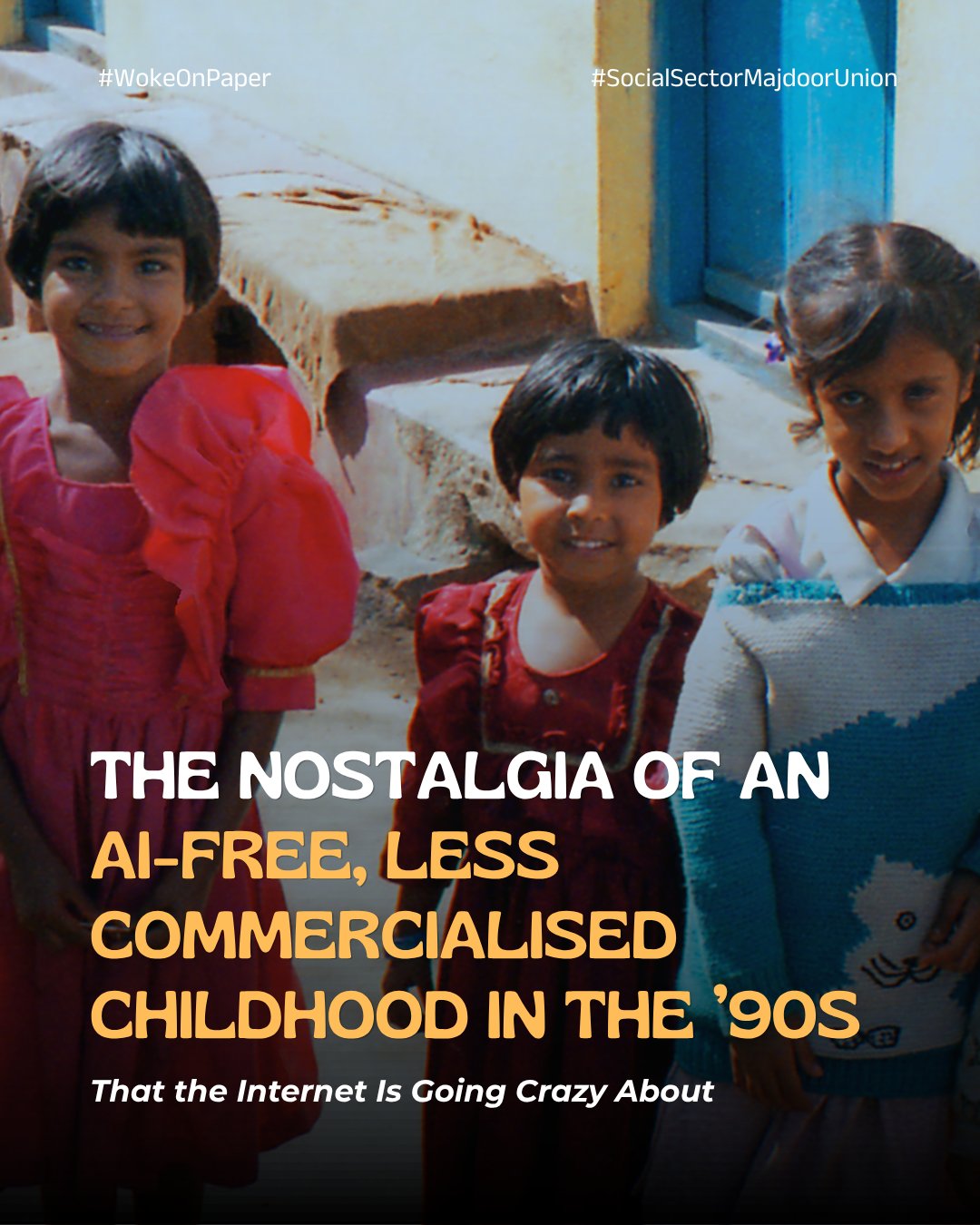
The internet is nostalgic for an AI-free, less commercialised '90s childhood. What exactly are we missing?

The Market Was Already Knocking
For many '90s kids, childhood was not free from commercialisation.
India's economic liberalisation in 1991 opened the economy to greater competition. At the same time, satellite television and private channels expanded rapidly, bringing more products, brands and advertising into Indian homes.
Children were already being recognised as an advertising audience by the late 1980s. But the scale and reach of marketing were very different from today.
The market was opening up. It just had not yet found as many ways to follow children everywhere.
Advertising Was There, Just Less of It
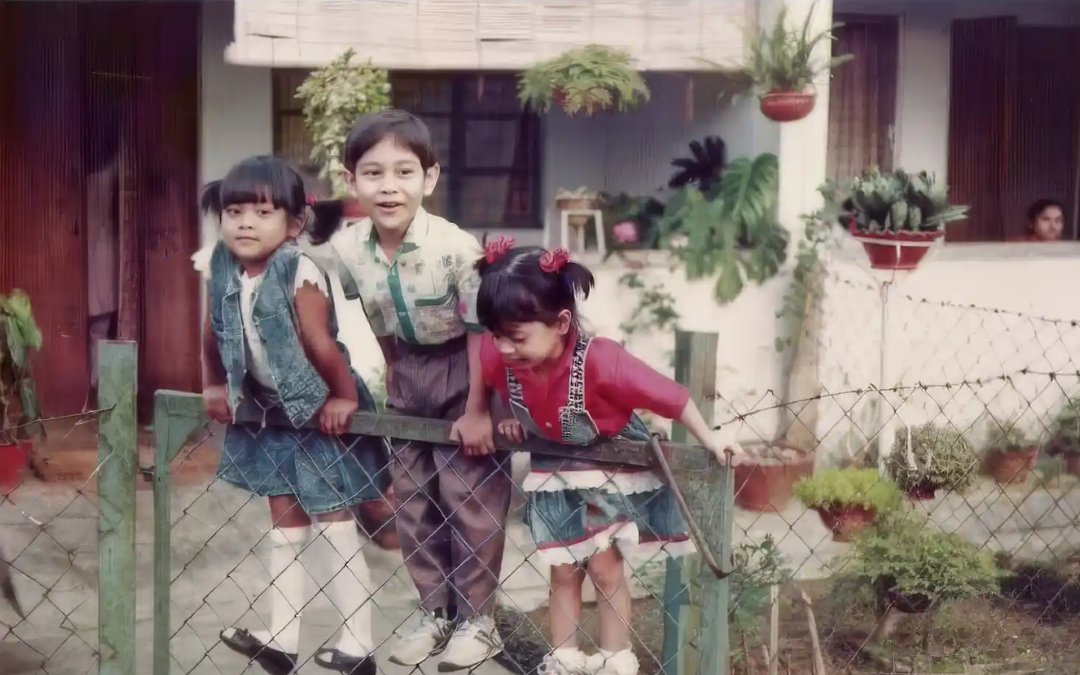
Advertising was already part of everyday life. We saw it on television, in newspapers and magazines, on billboards and in shops.
But children encountered far fewer commercial messages than they do today. There were no smartphones, social media feeds or personalised platforms constantly competing for their attention.
Commercial culture existed, but it occupied much less of a child's everyday world.
We Didn't Need Much to Play
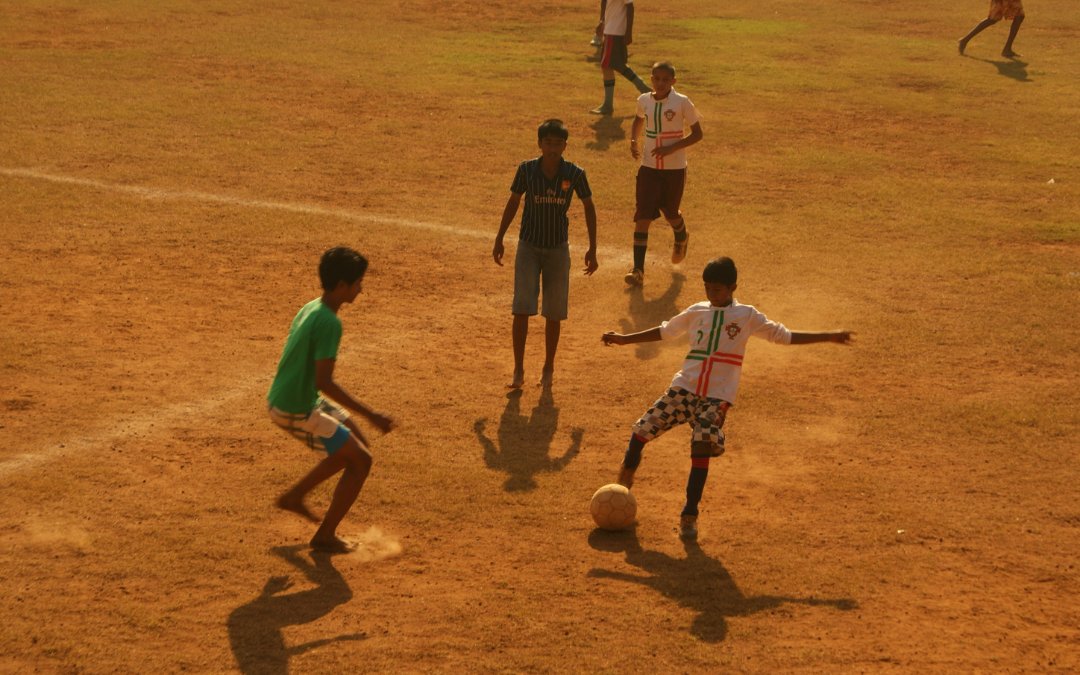
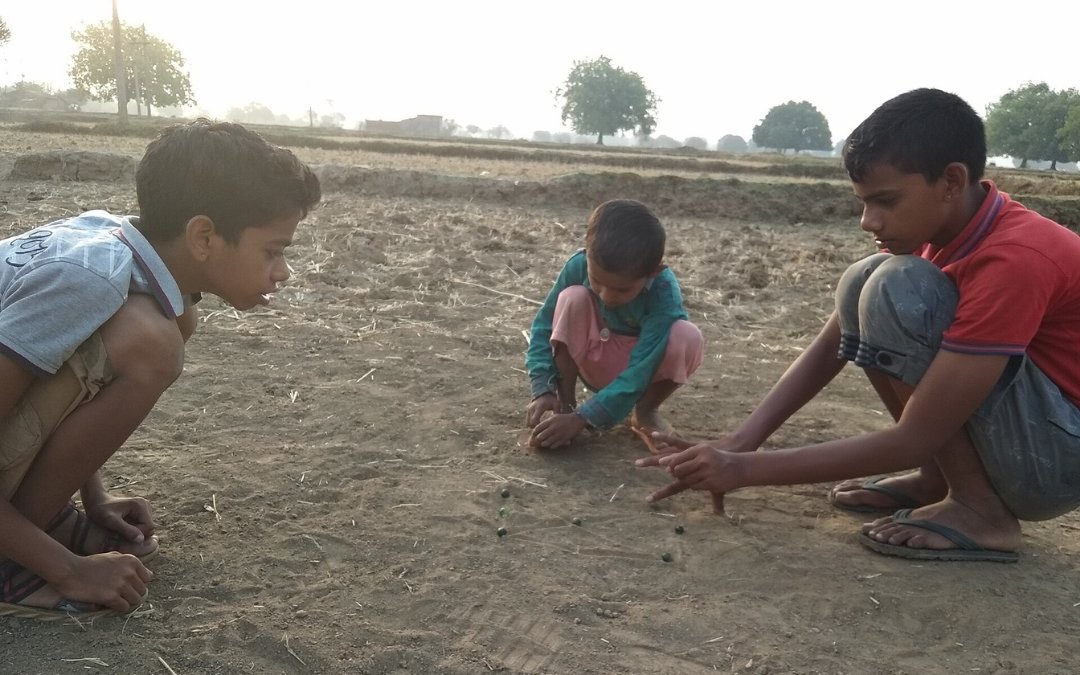
A cricket bat. A ball. Some marbles. And often, things that weren't even toys:
- A cardboard box could become a house.
- A stick could become a sword.
- A bedsheet could become a tent.
Imagination Did the Work
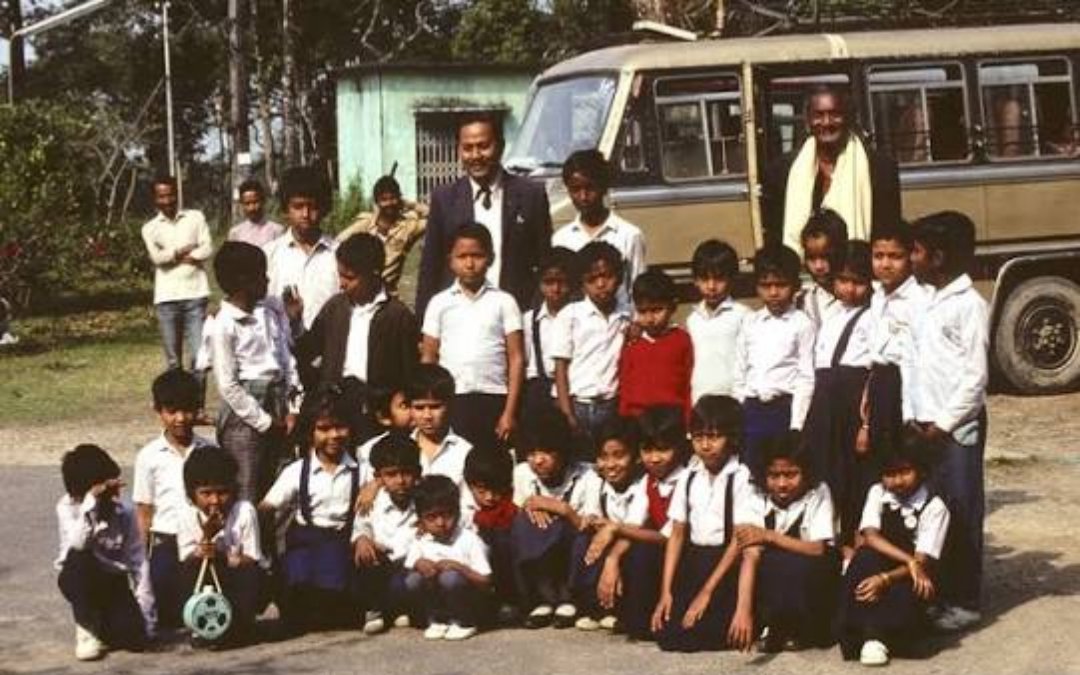
Children made toys with their imagination.
Commercialised toys increasingly come with ready-made characters, stories and functions, leaving little or no room for imagination and transformation.
When a Cartoon Was Just a Cartoon
You liked a cartoon. You watched it. Maybe you had a small toy or a notebook with the character on it. That was often where it ended.
Today, entertainment companies can extend a character across toys, clothes, food, games, books and accessories. Research describes how this kind of brand licensing has tied children's products ever more closely to media characters.
The character you loved gradually became something you could keep buying.
Selling Aspirations
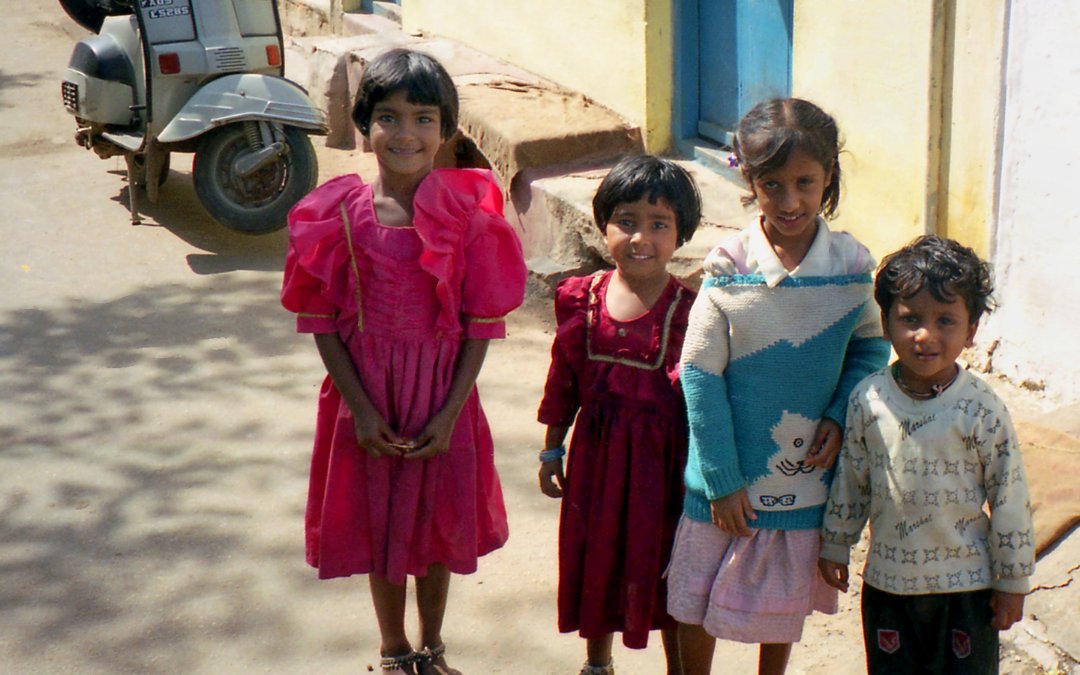
Today the market sells more than products to children. It sells aspirations:
- What you should look like.
- What you should wear.
- What should make you "cool".
Growing Up Faster
Marketers deliberately used older children and aspirational images to influence younger ones.
Susan Linn describes this as "aspirational marketing": encouraging younger children to want the trappings of an older identity before they are emotionally ready for it.
"Why Don't I Have What Everyone Else Has?"
A child sees something. Other children have it. An advertisement makes it desirable. So they ask their parents.
But parents don't have unlimited incomes. The market can keep expanding what children are encouraged to want, even when family incomes cannot keep pace.
Not just "I don't have it." But "Why don't I have what everyone else has?"
The Pressure Falls on Parents, the Comparison on Children
Commercialisation can make economic differences more visible to children.
A family may provide a loving home, a good education and everything they can reasonably afford, yet still struggle to match the lifestyle that advertising and popular culture present as desirable.
Research has linked commercial culture and materialistic values with family stress, parent–child conflict and unhappiness.
The pressure falls on parents, but children experience it as comparison.
Sharing Instead of Owning
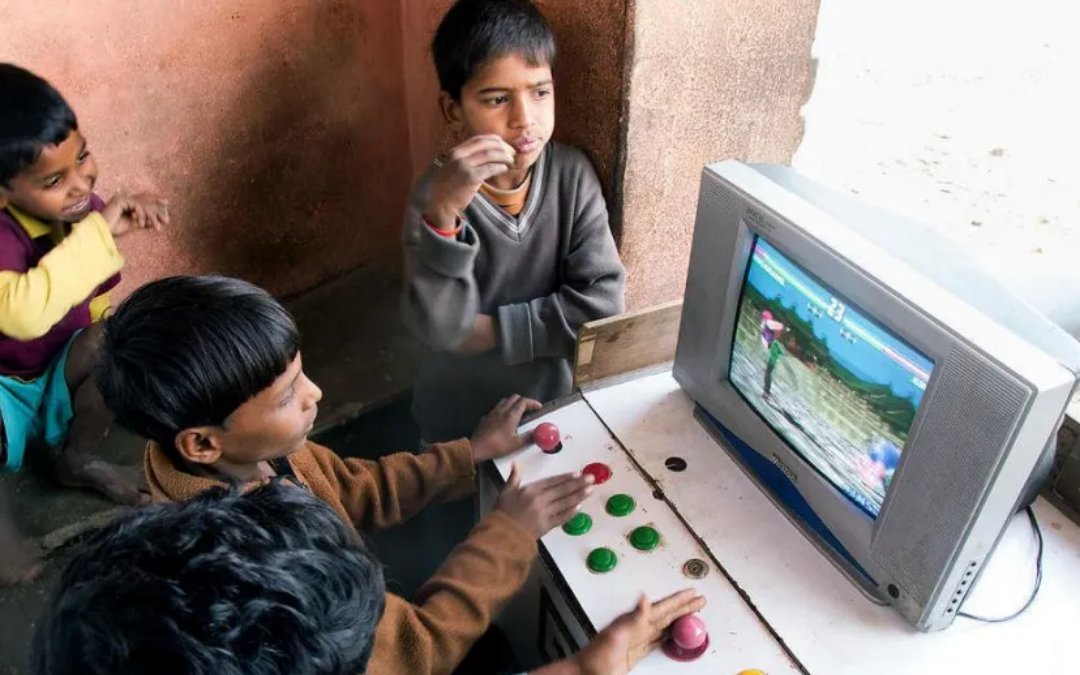
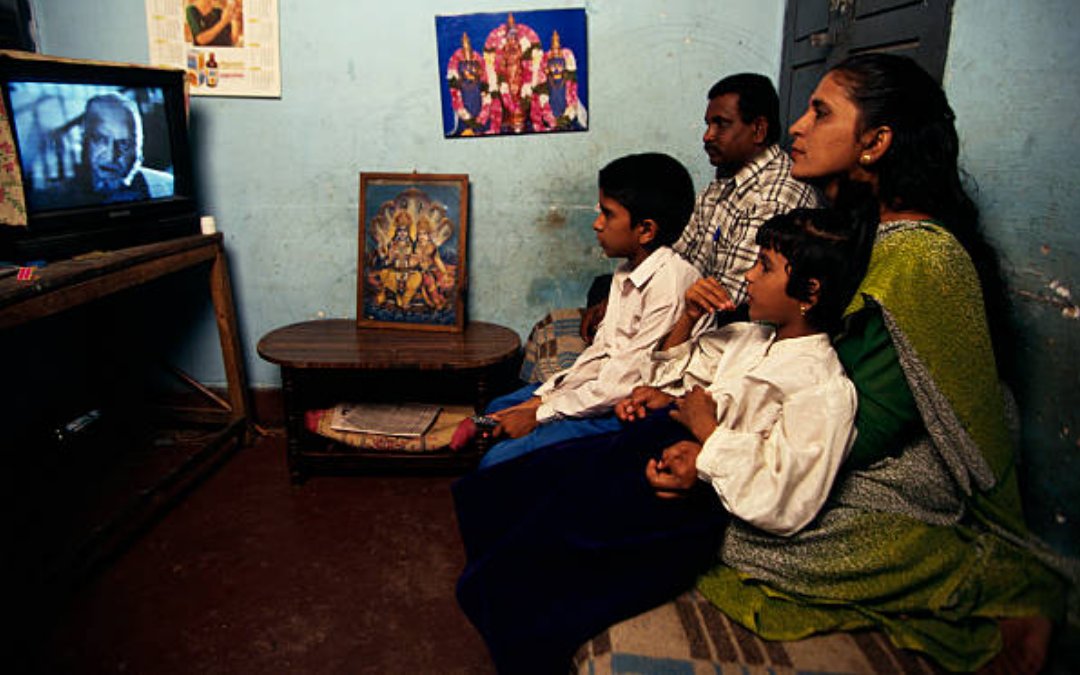
Many children experienced things through friends rather than ownership. One child had a kitchen set. Another had the comics. Someone had a video game. Everyone gathered at the house with the television.
Sharing allowed children to participate without every family having to buy everything.
Today, when products increasingly become markers of identity, simply sharing the experience may not always feel enough.
Even Boredom Had Value
"I'm bored" often meant:
- Go outside.
- Make something.
- Invent a game.
Time Without a Product Attached
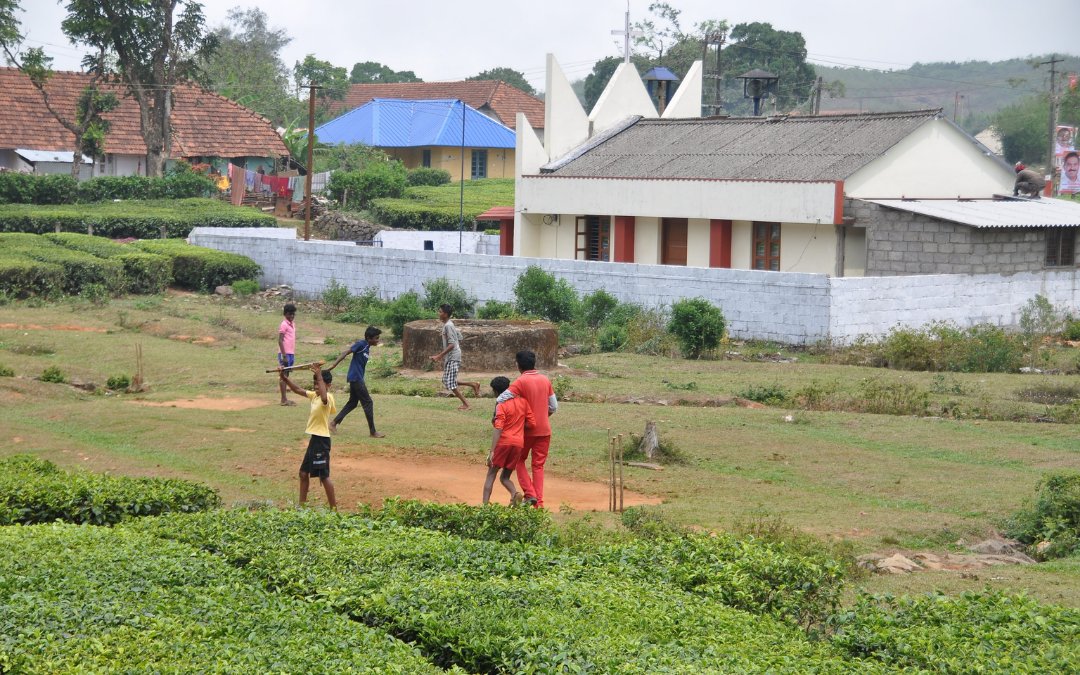
Children had more opportunities to fill time without a product or platform directing their attention.
Creative play matters because it supports learning, creativity, problem-solving and children's ability to make meaning of their experiences.
Not an Idyllic Time
The '90s were hardly an equal or idyllic time. Many children faced poverty, unsafe spaces, discrimination and limited opportunities.
The point is narrower. Commercial culture occupied less of childhood, and many ordinary pleasures remained inexpensive, shared and locally created.
That is the part worth examining — before we turn nostalgia into a claim that everything was better.
What We Can Still Protect
We cannot, and probably should not, recreate the '90s. But we can protect some of what made childhood less dependent on consumption. Children need:
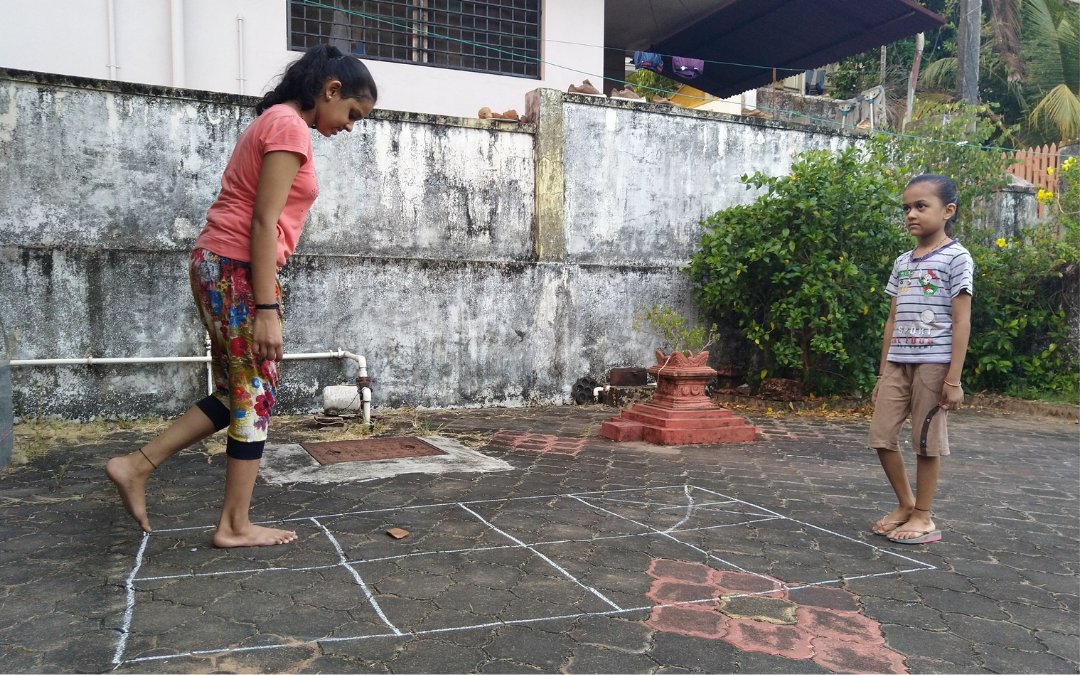
- time to play without instructions
- places to spend time outdoors
- opportunities to create rather than consume
- relationships that don't depend on what they own
What the Nostalgia Is Really About
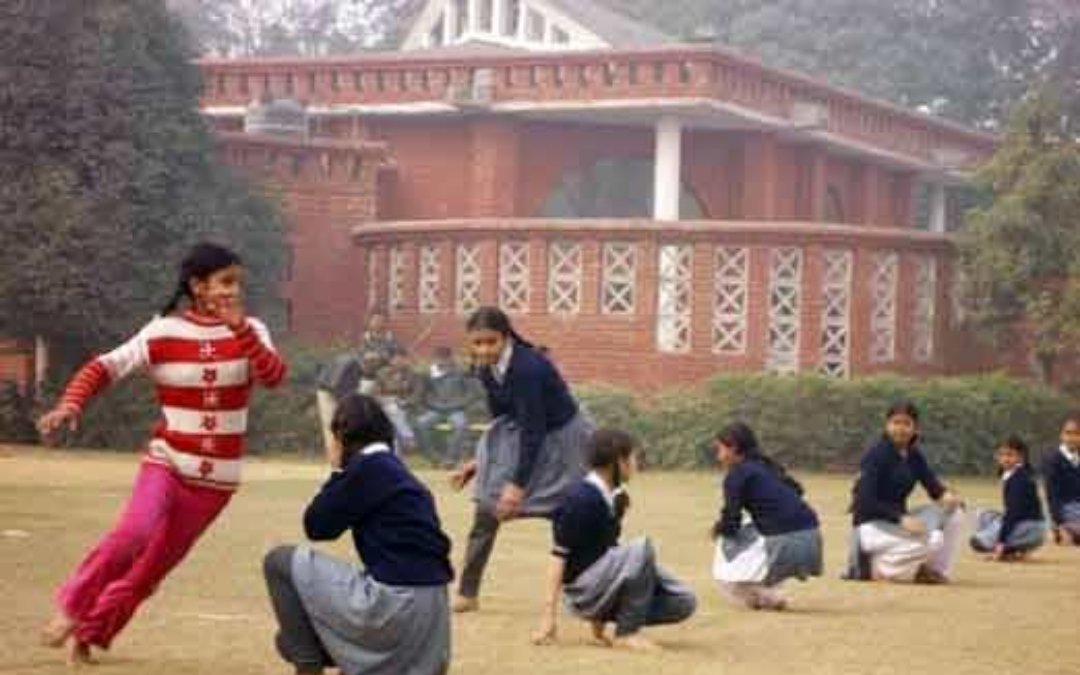
These things don't have to be expensive to be valuable.
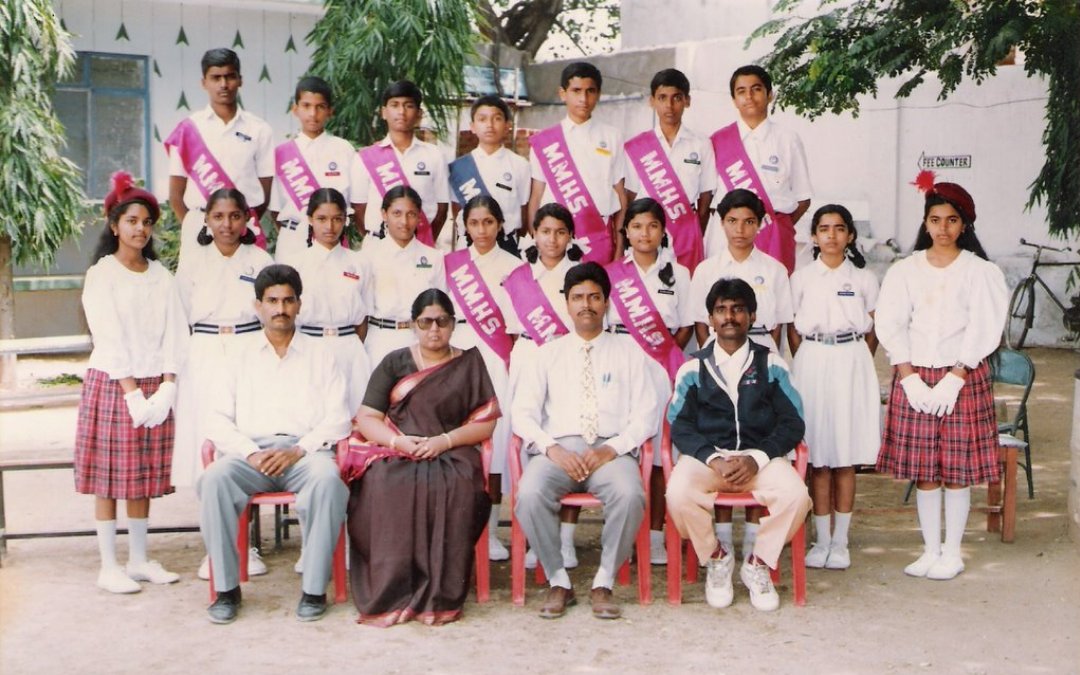
Perhaps our nostalgia isn't really about Doordarshan, cassette tapes, cricket in empty plots or old school photographs. It is about growing up at a time when many of the things that made childhood enjoyable didn't need to be bought.
You could play, belong, create and spend time with others without constantly measuring yourself against what the market had to offer.
Maybe that's the part of that childhood we should try to preserve.
WokeOnPaper is an independent satire media collective led by a small group of development practitioners. Through memes, stories and commentary, it reflects on the everyday absurdities of the social sector — nudging it towards becoming more honest, participatory and democratic.